For businesses that rely entirely on static photos to market their property online, there is a silent revenue gap that usually goes unnoticed until bookings start slipping away to competitors who have closed it.
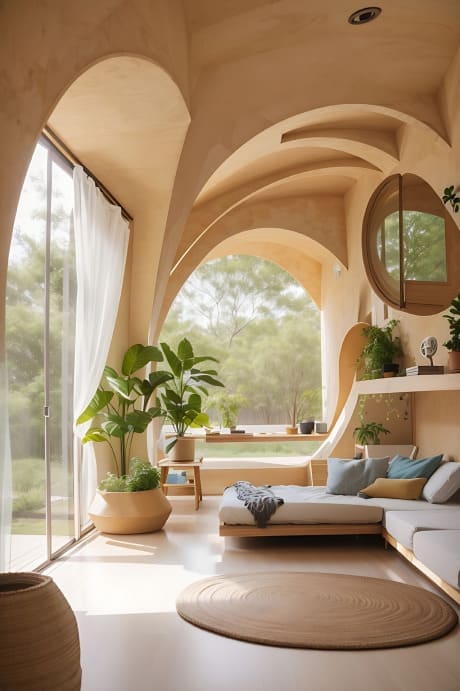
You’ve poured time, care, and energy into creating a remarkable physical location. Whether it’s a boutique hotel, a wellness studio, or an event space, your property has a distinct flow, atmosphere, and character. It is an experience that feels completely different the moment you walk through the door.
But when potential clients find you online, that rich experience is flattened into a handful of still images and a couple of lines of text.
If you’ve ever found yourself saying:
- “The photos just don’t do the space justice.”
- “They’ll understand how perfect it is once they walk in.”
- “I just wish people could see the layout for themselves.”
…then you already intuitively know that something is missing. The solution, however, isn’t just taking better pictures.
The Trust Gap: Why Static Images Struggle to Drive Bookings
Still photography was once a revolution for digital marketing. For the first time, local businesses could showcase their interiors to a global audience.
However, modern consumers are highly skeptical. Every photograph is a product of deliberate choices: one specific moment, one perfect angle, one tightly cropped frame. The viewer only sees what the photographer decided to show them. A still image captures a surface; it cannot capture a presence.
This limitation directly impacts your conversion rates and local search performance. According to independent quantitative research organized by Google Street View, online map listings featuring photos and a virtual tour are twice as likely to generate consumer interest compared to those without.
The reason for this metric isn’t just that interactive media looks better — it solves a fundamental psychological hurdle: consumer anxiety.
When searching for a new venue or hotel, people face a subconscious trust gap. They worry about hidden angles: Is the layout cramped? Are the photos hiding an awkward pillar? Is the space actually as open as it looks online? When someone can virtually walk through your space at their own pace, you provide something photographs can never replicate: genuine familiarity. The proportions become real. The uncertainty vanishes. That comfort level translates directly into buyer confidence, which ultimately drives reservations.
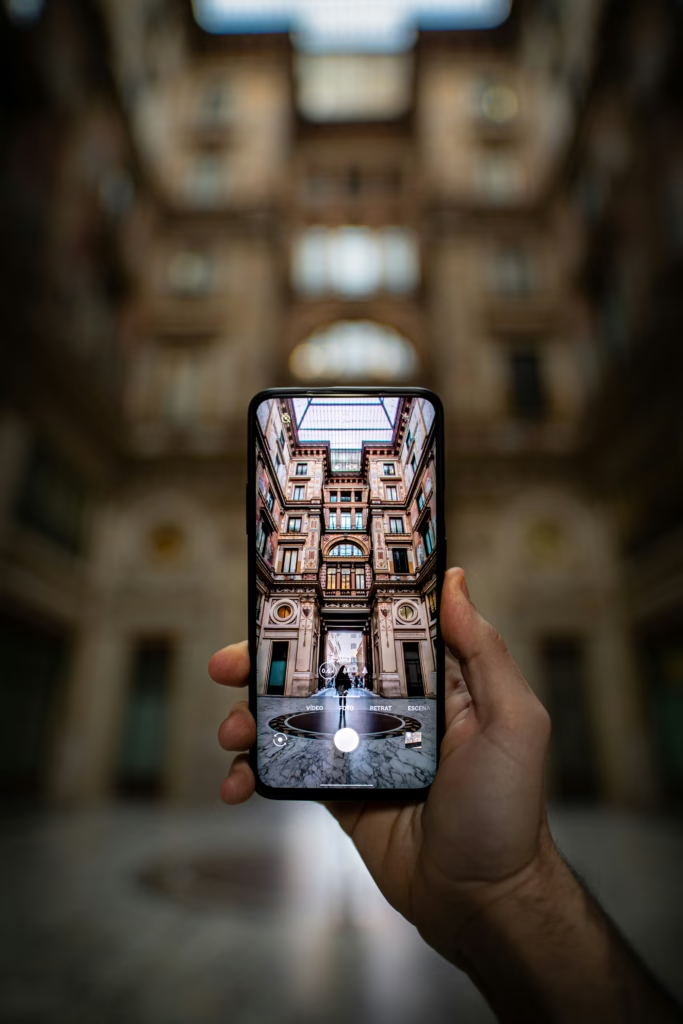
How Mapping Products Drive Real-World Bookings
Integrating 360-degree content doesn’t just improve your website’s on-page metrics; it radically transforms how people find you via local search.
Google’s own research highlights two incredibly powerful statistics regarding how consumers interact with local maps:
- The Search Behavior: When consumers search for local businesses online, they utilize mapping products 44% of the time.
- The In-Person Action: On average, 41% of those place searches on maps result in an actual, physical on-site visit to the business. If your Google Business Profile only features standard photos, you are missing out on capturing the highest-intent traffic available. By embedding a high-quality 360 virtual tour for your business, you maximize the chance that a digital map search turns into a confirmed booking.
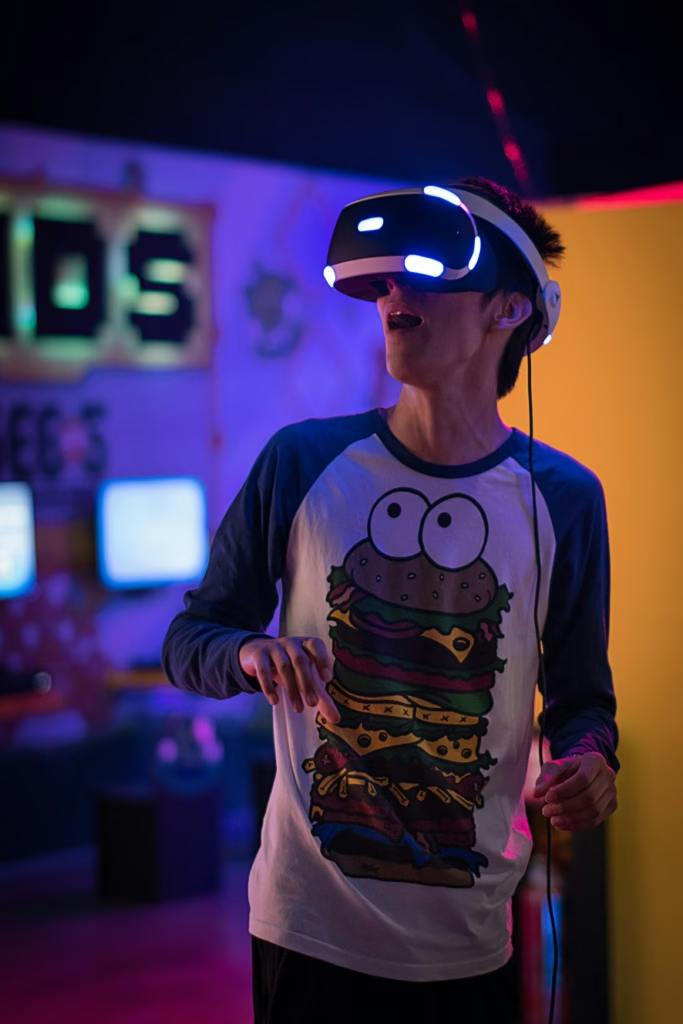
The Shift from Passive Browsing to Active Exploration
Photography allows consumers to look at a space. Video allows them to watch a walkthrough. But both formats share the same flaw: the viewer is entirely passive, trapped on a pre-determined path controlled by someone else.
An interactive virtual tour changes the dynamic completely.
For the first time, a prospective client exploring your space online has total autonomy. They choose where to look, move at their own pace, and zoom in on the specific details that matter to their needs — not just what you decided to highlight. This psychological shift from passive viewing to active exploration changes how people process information. They stop browsing and start imagining. They stop scrolling and start deciding.
Case Study: Transforming Cold Inquiries into Warm Bookings
An event venue we collaborated with had flawless, professional photography. The lighting was perfect, and every corner looked pristine. Yet, their digital inquiries felt slow and cautious. Prospects frequently stated they were “still looking at a few options.”
After we published a custom virtual tour to their website and Google profile, the entire sales conversation shifted.
The inquiries arriving through the website were suddenly pre-qualified and warm. Because prospects had already explored the layout virtually, they weren’t emailing to ask if they liked the venue; they were reaching out to plan their setup. They asked if the ceremony area could fit their specific guest count or if the courtyard was large enough for a live band. They had already visualized their entire event inside the space; they were simply calling to finalize a plan they had already built in their minds.

The Practical Takeaway for Local Businesses
Static photos aren’t dead. They remain essential for social media grids, print marketing, and quick visual first impressions. But relying on them exclusively to convert an online browser into a paid booking is asking them to do a heavy-lifting job they aren’t designed for anymore.
A virtual tour doesn’t replace your professional photography; it extends it. It takes the visual story your photos begin and invites the customer to step inside.
If your physical layout, atmosphere, and architectural design influence a customer’s buying decision, an immersive tour is no longer a luxury marketing asset — it is the vital link between being discovered and getting booked.
Curious what an immersive experience looks like for your physical space? Book a free consultation with Mad Kraken Media
Frequently Asked Questions
What is the difference between a video walkthrough and a virtual tour?
A video walkthrough shows a fixed, linear path edited and narrated by the creator. The viewer remains completely passive. A 360 virtual tour grants the viewer full interactivity. They move freely through the property, looking in any direction and spending time on the elements that interest them most, creating a psychological sense of physical presence.
How does a virtual tour affect my Google Maps ranking?
Adding a virtual tour to your Google Business Profile significantly enhances user engagement metrics — such as time spent on your listing, click-through rates, and interaction levels. Google’s local search algorithms track these positive signals, which can directly improve your visibility in the local “Map Pack” and search rankings.
What types of businesses benefit most from 360 content?
Any business where the physical environment directly impacts the consumer’s purchasing decision. Mad Kraken Media has deployed interactive tours for boutique hotels, event venues, wineries, corporate showrooms, fitness centers, and creative studios. If your atmosphere is part of what you sell, a virtual tour will benefit your bottom line.
How long does it take to create a professional virtual tour?
The process is streamlined and non-intrusive. Most commercial spaces can be fully captured in a single, dedicated shooting session. Mad Kraken Media handles the entire pipeline — from technical capturing to stitching, optimization, and final publishing — delivering a live, ready-to-use experience within just a few business days.